A cookbook to
grow into.
Cooking is a skill you can build. We’re making room for the small first steps, the happy discoveries, and the more ambitious things you’ll try along the way.
Three volumes. One curious kitchen.
The first Play Cooking collection brings together 170 recipes: 50 meals, 60 desserts, and 60 drinks. They begin with approachable everyday ideas and gradually introduce more techniques, more components, and flavours from different food traditions.
Each recipe includes an introduction, a short history, equipment, ingredient quantities in metric and US units, a numbered method, and a beginner tip. Food traditions are shared and adapted; our histories offer context and identify modern variations.
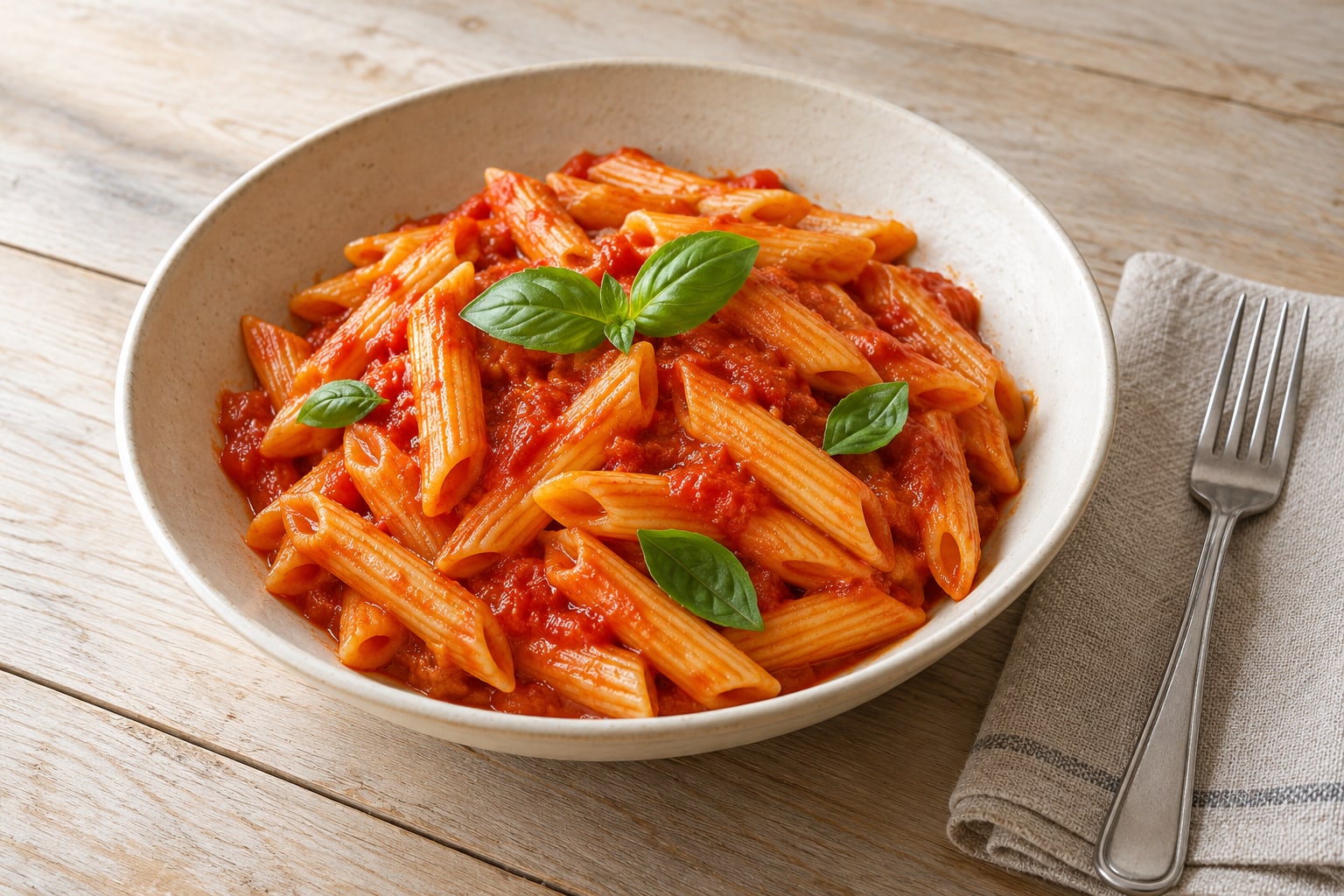
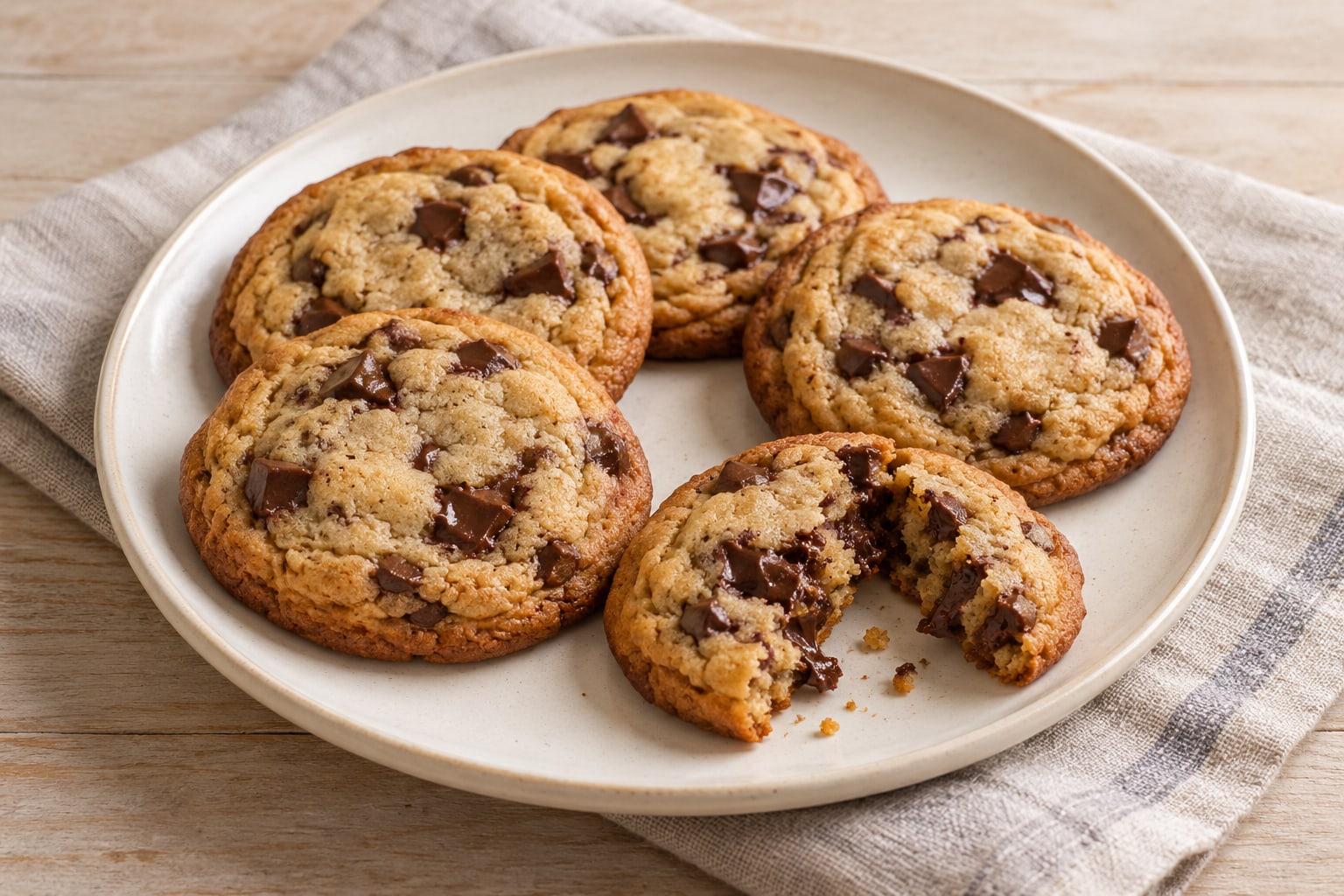
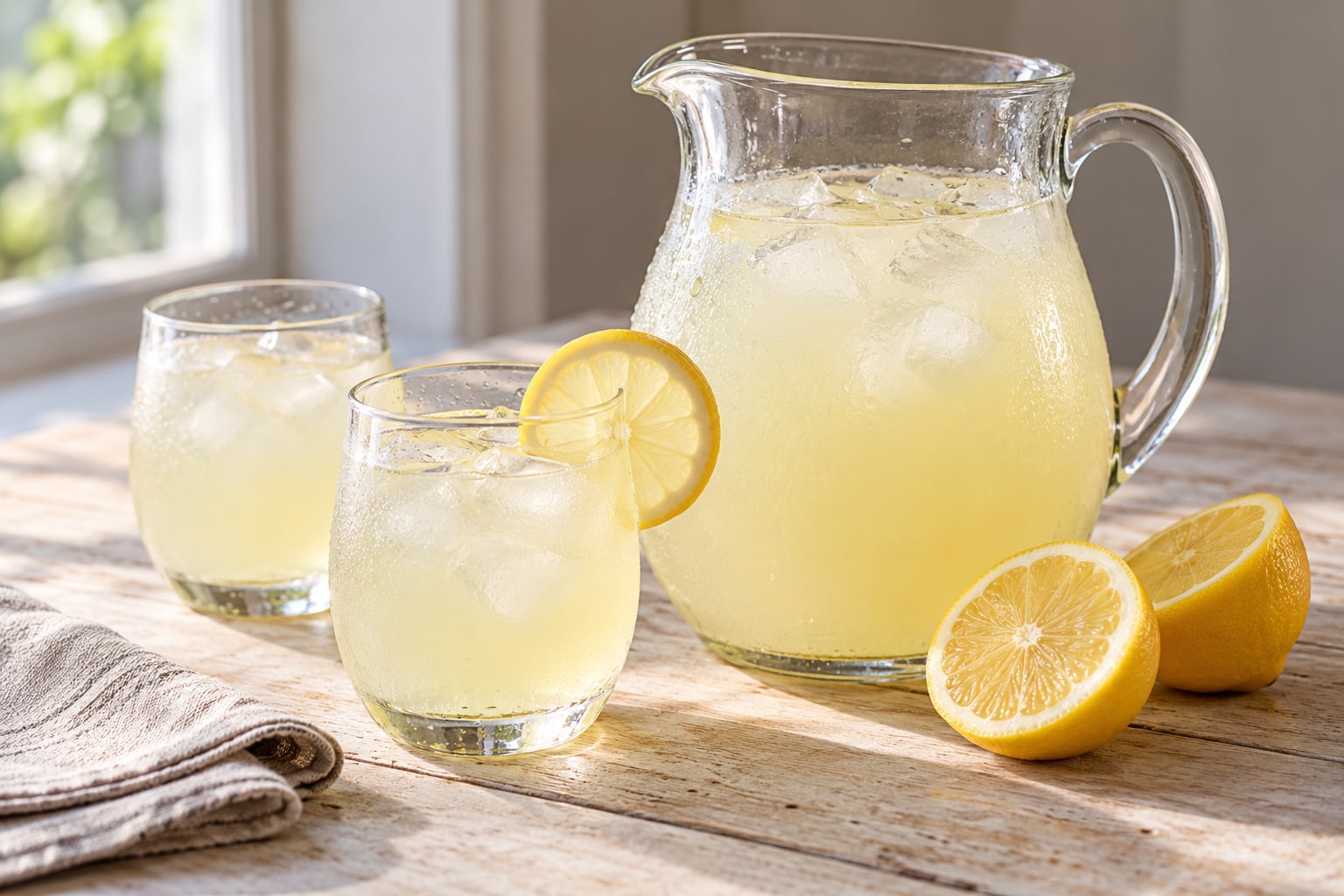
A little reason to come back.
One meal, one dessert, and one drink are released together each day at midnight in Helsinki (Europe/Helsinki), starting on 21 October 2026. Each category generally moves from simpler recipes to more involved projects. The server follows the local calendar, including daylight saving changes.
This release series runs for 10 days, through 30 October 2026, reaching 10 meals, 10 desserts, and 10 drinks: 30 recipes in total. Releases stop at that point and the published collection stays available. The remaining cookbook recipes stay unpublished unless a new release series is scheduled.
To follow along in your feed reader, subscribe to the daily recipe RSS feed . The site also refreshes its release date when left open online.
Start where you are.
Read the whole recipe before you begin. Check timings and equipment, clear a work surface, and measure your ingredients. Chilling, resting, and cooling can be part of the total time.
- Level 1
- Basic preparation and one simple technique.
- Level 2
- Several ordinary steps, with help on heat or measuring.
- Level 3
- More judgement, seasoning, or coordination.
- Level 4
- Hand shaping, several components, or longer preparation.
- Level 5
- Delicate techniques and careful scheduling. Practise the component skills first.
A few useful words
A simmer has small, gentle bubbles. A boil bubbles vigorously. Folding means gently turning a mixture over itself with a spatula to keep air in it.
Follow the cooking and storage instructions in each recipe. Allergen notes describe the listed ingredients; check product labels, substitutes, and your own kitchen conditions.
Your kitchen, your measurements.
Use the metric/US switch above each ingredient list. Choose one system throughout a recipe. Conversions are rounded practical equivalents; weighing flour and sugar is more repeatable than filling cups.
A teaspoon is 5 ml, a tablespoon is 15 ml, and a US cup is approximately 240 ml in this collection. Ounces for solids measure weight; fluid ounces measure volume. A cup of flour and a cup of sugar have different weights.
Plain flour means all-purpose flour; cornflour means cornstarch; icing sugar means powdered sugar; caster sugar means superfine sugar. Courgette is zucchini, aubergine is eggplant, and fresh coriander is cilantro.
A note from the kitchen.
The recipes are from the Play cookbook manuscript and have not been kitchen-tested. Every serving illustration is AI-generated, created for this collection. It suggests a presentation and is not a photograph of a physical recipe test.
Cooking times are estimates. Use the texture and doneness cues in each method, and check temperatures where specified. Histories are brief introductions rather than claims that every dish has a single inventor. Sources are linked with relevant recipe histories.
“My recipes” saves bookmarks in your current browser. There is no account or cross-device sync. Clearing browser storage removes those bookmarks.